
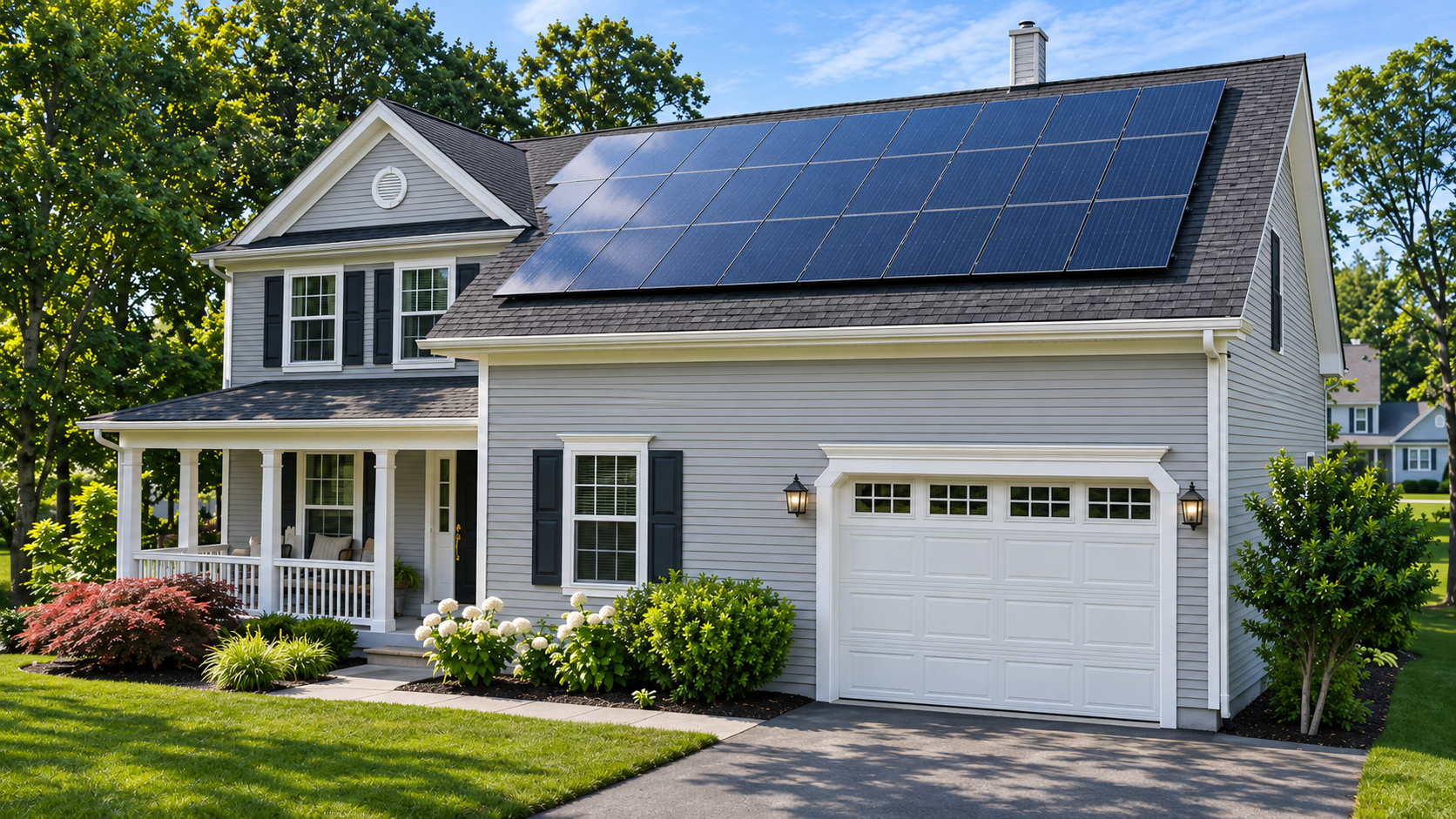
Residential Solar Installation in Delaware: What Homeowners Can Expect
Residential solar installation in Delaware involves more than placing solar panels on a roof. Before a system begins generating electricity, homeowners typically move through several stages, including project evaluation, system design, approvals, equipment installation, inspection, and activation.
Understanding these stages helps you know what decisions to make, which questions to ask, and what responsibilities may arise during the project.
For example, the day solar panels are installed is not necessarily the day they begin supplying electricity. A grid-connected system may still need final inspections and utility authorization before normal operation can begin.
Clean Energy USA has served Delaware communities since 2007, providing residential solar system design, installation, and maintenance. Our team works with homeowners to develop property-specific solar systems and coordinate applicable project requirements.
This guide explains the major steps involved in residential solar installation, from early planning through the transition to an operating system.
1. How the Residential Solar Installation Process Begins
The first stage focuses on gathering enough information to develop an appropriate solar project. An installer needs to understand how the home uses electricity and which physical conditions may influence the installation.
Reviewing Household Electricity Needs
Electricity consumption provides a starting point for system planning.
An installer may review recent utility bills to understand annual usage and seasonal variations. A household that relies heavily on air conditioning, for example, may use more electricity during warmer months.
Homeowners should also mention planned changes that could affect future consumption, such as adding an electric vehicle charger or switching to electric heating equipment.
This information helps establish the project's electricity production goals. It does not automatically determine the final system size because available installation space and sunlight conditions also matter.
Gathering Information About the Property
Residential solar planning includes reviewing the location where the equipment will be installed.
For rooftop projects, relevant details include available space, roof orientation, shading, roof condition, and features that may affect panel placement.
The installer may also need information about the home's electrical service and where additional equipment could be located.
A preliminary review can identify conditions that require closer examination before finalizing the design.
Homeowners who want to understand these property considerations in greater detail can explore whether solar is right for their home.
Establishing the Initial Project Scope
Once the relevant information has been collected, the installer can begin identifying possible system arrangements.
The initial scope should distinguish the homeowner's goals from what the property can reasonably accommodate.
It may also identify questions about roof work, electrical modifications, or access requirements that need to be resolved.
This early planning helps prevent important installation considerations from being overlooked later.
2. From Solar System Design to an Installation Proposal
After the preliminary evaluation, the project moves toward a proposed system design.
The proposal should explain what equipment is recommended, how the system is intended to operate, and what work is included in the installation.
Preparing the Solar System Design
Residential solar systems include photovoltaic panels, inverter equipment, mounting components, wiring, and other electrical equipment.
Panels produce direct-current electricity when exposed to sunlight. An inverter converts that electricity into alternating current that can be used by typical household electrical systems.
A proposed design identifies the arrangement of these components and estimates how much electricity the system may generate.
Installed capacity is commonly measured in kilowatts, while electricity production is measured in kilowatt-hours.
These figures describe different things. A system's rated capacity does not guarantee a specific amount of electricity generation because actual production depends on sunlight, shading, weather, and operating conditions.
Understanding the Proposal
A solar installation proposal should provide enough detail for a homeowner to understand the recommended project.
Important information includes the proposed system capacity, estimated annual production, equipment specifications, installation scope, project cost, and applicable warranty terms.
Any assumptions affecting projected electricity production or financial results should be explained.
For instance, estimated reductions in purchased electricity should not be confused with a guaranteed reduction in utility bills.
If the proposed installation requires additional electrical or roof-related work, the homeowner should understand whether that work is included in the quoted scope.
Confirming the Project Before Work Begins
Before approving a project, homeowners should review the agreement and resolve questions about equipment, responsibilities, payments, and the anticipated sequence of work.
Changes to the original scope may affect pricing or scheduling.
Having these details documented provides a clearer reference if questions arise during installation.
Clean Energy USA prepares residential solar analyses and custom system designs based on relevant property and electricity considerations.
3. Permits, Utility Requirements, and Other Approvals
Solar installation involves electrical equipment connected to a home's power system. As a result, the project may require approvals beyond the homeowner's agreement with the installer.
Requirements differ depending on the property, jurisdiction, utility provider, and system configuration.
Building and Electrical Permits
Residential solar projects may require building or electrical permits before construction begins.
Permit documentation can address roof mounting, electrical connections, structural considerations, and compliance with applicable installation standards.
Some projects may require additional technical documentation because of roof characteristics or electrical conditions.
Homeowners should ask which permits apply and who is responsible for preparing and submitting the necessary information.
Homeowners Association Documentation
Properties governed by a homeowners association may have applicable review procedures.
These requirements are separate from municipal permits and utility interconnection approvals.
Homeowners should identify any relevant association rules early, while recognizing that such requirements must comply with applicable law.
Clean Energy USA includes applicable HOA documentation and approval coordination within its established project process.
Utility Interconnection
Grid-connected solar equipment interacts with the utility's electrical network.
The utility may require documentation about the proposed system, electrical protection, metering arrangements, and interconnection configuration.
Some approvals may be needed before installation, while others occur after the system has been installed and inspected.
Clean Energy USA's established process includes coordinating relevant utility specifications and project paperwork.
Homeowners should understand that approval procedures can affect the overall project schedule.
An installation date should not be treated as a guaranteed activation date.
4. What Happens During Residential Solar Panel Installation?
The physical installation stage brings the approved system design into place.
Workers mount the equipment, complete the necessary electrical work, and prepare the installation for applicable inspections and commissioning.
Preparing the Work Area
Before installation begins, homeowners may receive instructions about access to the property.
The installation team may need space for equipment deliveries, ladders, vehicles, and materials.
Access to electrical equipment or specific areas around the home may also be required.
Homeowners should ask whether any temporary electrical interruption is anticipated and whether someone needs to be present during particular stages.
Children and pets should remain away from active construction areas.
Mounting Solar Panels
For rooftop projects, installers secure mounting equipment using methods appropriate for the roof and the approved design.
Panels are then positioned and attached to the mounting system.
Roof penetrations, attachment locations, and weather protection require careful attention.
Installation methods can differ depending on roofing materials, roof structure, and equipment specifications.
A visually completed panel array is only one part of the project. Electrical connections and other installation requirements must also be addressed.
Installing Electrical Equipment
Solar panels produce electricity in direct-current form.
Inverter equipment converts that output into alternating current compatible with household electrical use.
The installation also includes appropriate wiring, protective equipment, disconnects, and connections identified in the approved system design.
Electrical work must comply with applicable safety requirements.
Clean Energy USA states that its solar installers, project managers, and electricians work in-house, allowing the company to coordinate these installation responsibilities through its own team.
Understanding Installation-Day Expectations
Physical installation may involve roof access, equipment movement, and work near the home's electrical service.
Some homes require additional preparation or modifications that are not necessary for others.
Weather, system complexity, property conditions, and the availability of required approvals can affect scheduling.
Rather than relying on a universal installation timeline, homeowners should request a schedule reflecting their specific project.
5. What Happens After the Panels Are Installed?
Once the equipment is physically installed, additional steps may remain before the system begins normal operation.
These final requirements help establish that the installation is ready for its intended use.
Inspection and System Verification
Applicable authorities may require inspections to verify that the installation meets relevant building or electrical requirements.
The installation team also needs to complete appropriate equipment checks and commissioning procedures.
These activities help confirm that the installed system corresponds to the approved configuration and is prepared for operation.
Homeowners should not attempt to operate or modify electrical equipment before the required procedures have been completed.
Permission to Operate
For grid-connected systems, the utility may need to provide authorization before normal operation begins.
This authorization is commonly called permission to operate.
The requirements depend on the utility and applicable interconnection arrangements.
A system may therefore be physically complete while still awaiting permission to operate.
Understanding this distinction helps homeowners recognize why installation completion and activation are separate milestones.
Learning About Your Operating System
After activation, homeowners should understand what information is available about their system's performance.
Actual electricity production varies with sunlight, weather, shading, and equipment conditions.
Some installations include monitoring features that display production information. Available functions depend on the installed equipment and service arrangement.
Homeowners should ask how to interpret system information, recognize potential problems, and contact the appropriate service team.
A short period of lower output does not automatically indicate equipment failure.
Persistent or unexplained performance concerns, however, may require professional evaluation.
Clean Energy USA provides residential solar maintenance and customer service support. Homeowners can use its customer service resources for applicable questions after installation.
Frequently Asked Questions About Residential Solar Installation
How long does residential solar installation take in Delaware?
The overall duration depends on system design, property conditions, permits, utility approvals, and scheduling. Physical installation is only one part of the process. Homeowners should request a project-specific schedule that distinguishes installation from system activation.
Do I need to be home when solar panels are installed?
That depends on whether installers need access to indoor electrical equipment or other areas of the property. Ask your installation team which stages require someone to be present and how access should be arranged.
Will installing solar panels interrupt my electricity?
Some electrical work may require a temporary power interruption. Whether an interruption is necessary depends on the installation design and equipment involved. Your installer should explain any anticipated interruption before the affected work begins.
Can I use my solar panels immediately after installation?
Not necessarily. A grid-connected system may require final inspections, commissioning, and utility authorization before normal operation. Your installer should confirm when the system is approved to operate.
What should I do if my solar system is not producing electricity as expected?
First consider whether weather or seasonal conditions could explain the change. If production remains unusually low or equipment reports an error, contact your installer or authorized service provider rather than attempting electrical repairs yourself.
Who handles solar system questions after installation?
The responsible provider depends on the equipment, warranty, and service arrangement. Clean Energy USA provides residential solar maintenance and customer service support and can assist with applicable service inquiries.
Discuss Your Residential Solar Installation With Clean Energy USA
Knowing what happens during a solar project can help you prepare for installation and understand what comes next.
Clean Energy USA provides residential solar design, installation, and maintenance throughout Delaware.
Explore our residential solar installation services to learn more about working with our team.
If you're considering a project, contact Clean Energy USA to discuss your property, electricity needs, and installation questions.
FREE DOWNLOAD
Solar Energy Incentives for Residential Customers
Find out how you can save more with Solar Energy Incentives!
Download Now